





































Police Initiative Rescues 30 Drug-Affected Youths, Admits Them for Treatment

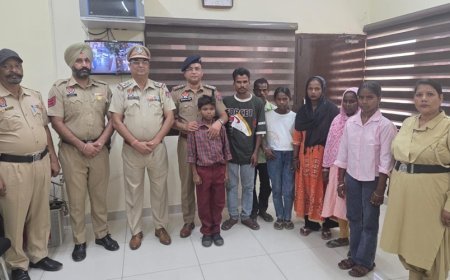
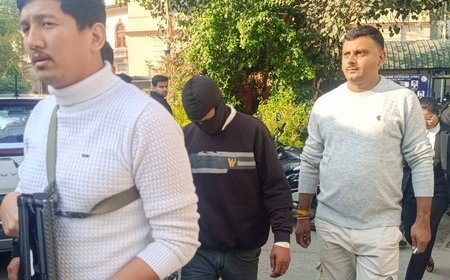
PHAGWARA: In a significant humanitarian and reform-driven initiative, district police headed by Senior Superintendent of Police Gaurav Toora IPS have stepped beyond traditional law enforcement roles to address the growing issue of substance abuse among youth. Acting on intelligence and community inputs, the police rescued 30 drug-affected young men and admitted them to a government hospital for medical treatment and rehabilitation in Sultanpur Lodhi.
The operation was carried out jointly by police teams from Kapurthala and Shahkot , where drug addiction cases have been increasingly reported. Officials stated that the effort was not punitive but corrective in nature, aimed at helping individuals break free from addiction rather than criminalizing them.
According to police sources, the youths were identified during a special outreach campaign focused on de-addiction awareness. Officers engaged directly with affected individuals and their families, counseling them on the harmful effects of drug abuse and encouraging voluntary participation in treatment programs. Following this intervention, the youths were taken to the civil hospital in Sultanpur Lodhi, where they were admitted for medical evaluation and care.
The initiative was launched under the direction of senior police officials, including the Superintendent of Police, who emphasized a compassionate approach toward addiction. Authorities highlighted that those willing to quit substance use would receive full support, including medical treatment, counseling, and rehabilitation services.
Medical teams at the hospital have begun initial health check-ups of all admitted individuals. Doctors reported that prolonged drug use had adversely affected the physical and mental health of many of these youths, necessitating structured treatment and continuous monitoring. After preliminary care, they will be referred to de-addiction centers for long-term rehabilitation.
Police officials reiterated their commitment to tackling drug abuse through a dual strategy—strict action against drug suppliers and supportive measures for victims of addiction. They warned that while users seeking help would be assisted, those involved in drug trafficking would face stringent legal consequences under a zero-tolerance policy.
This proactive step has been widely appreciated by local communities, as it reflects a shift toward community-oriented policing. By prioritizing rehabilitation over punishment, the police aim to reintegrate affected youths into society and curb the wider social impact of drug abuse.
The initiative also underscores the need for sustained awareness campaigns, stronger healthcare support systems, and community participation to effectively combat the drug menace. As authorities continue their efforts, this model could serve as an example for other regions grappling with similar challenges.
What's Your Reaction?
 Like
0
Like
0
 Dislike
0
Dislike
0
 Love
0
Love
0
 Funny
0
Funny
0
 Angry
0
Angry
0
 Sad
0
Sad
0
 Wow
0
Wow
0