




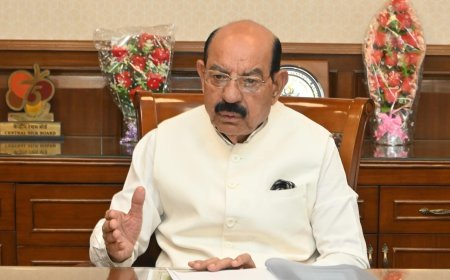
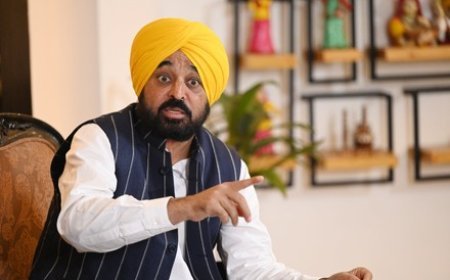
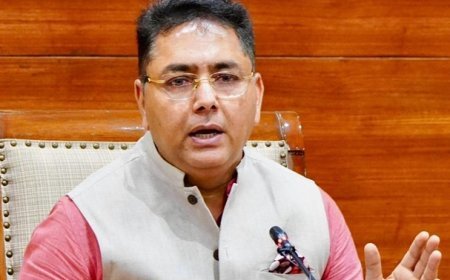

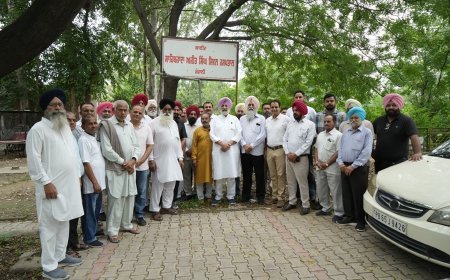




























Punjab Government's 'Sacrilege Law' Meant to Divert Attention from Failure to Deliver Justice in Bargari Cases: Prof. Sarchand Singh Khiala

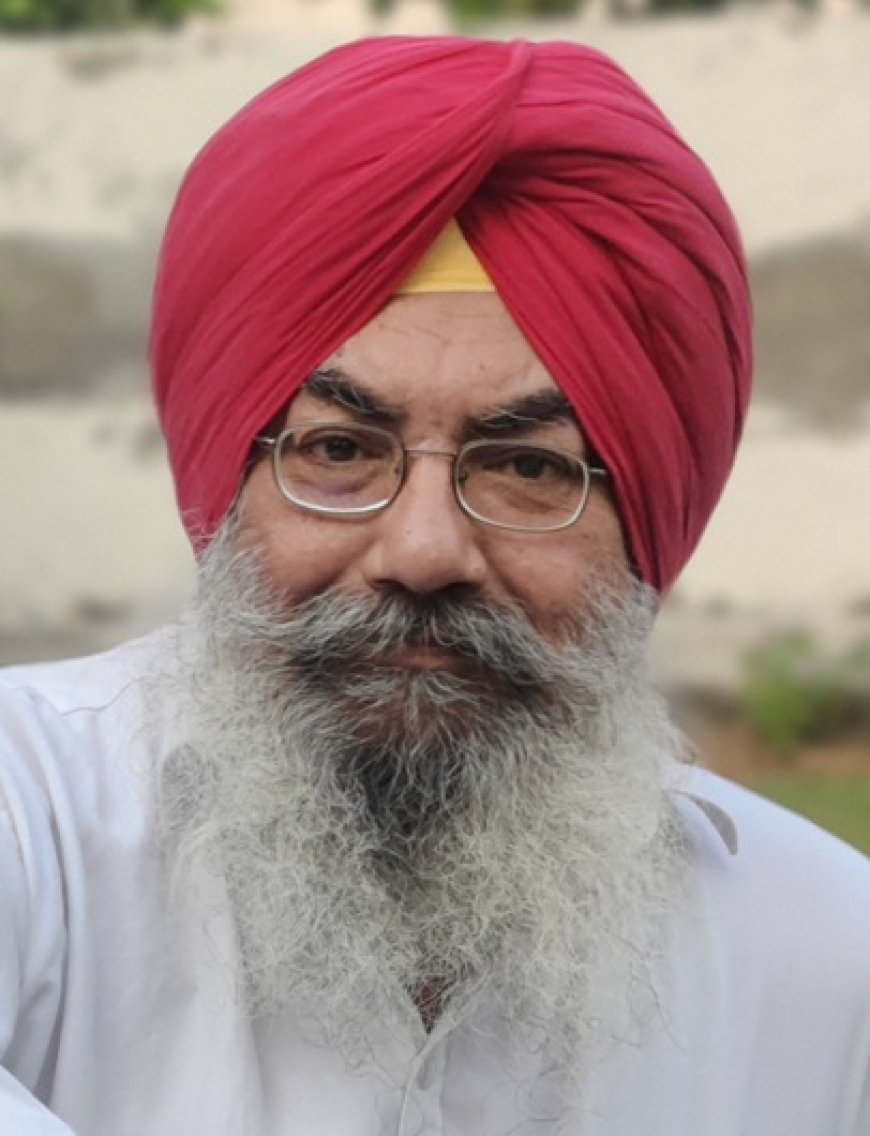
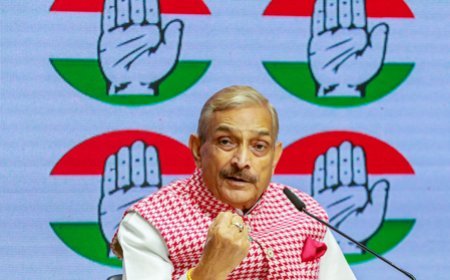
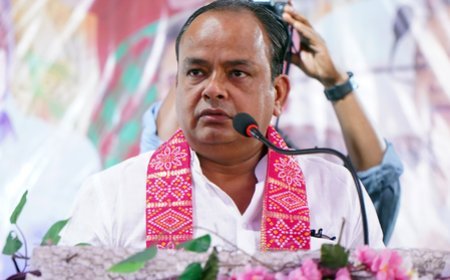
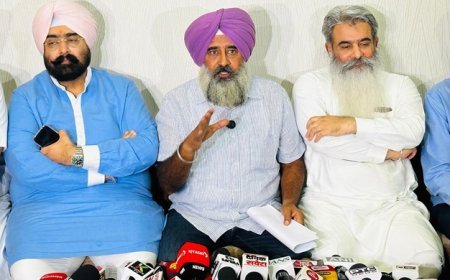
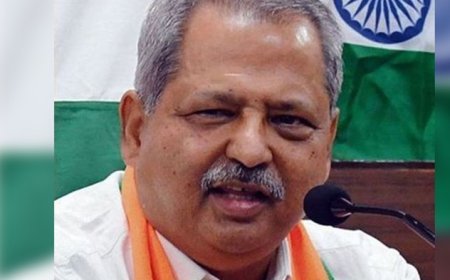
AMRITSAR: BJP Punjab spokesperson and Sikh thinker Prof. Sarchand Singh Khiala on Thursday alleged that the Aam Aadmi Party (AAP), which had promised during the 2022 Punjab Assembly elections to ensure punishment for the accused in the Bargari sacrilege cases within 24 hours of assuming office, has failed to fulfill that commitment even after more than four years.
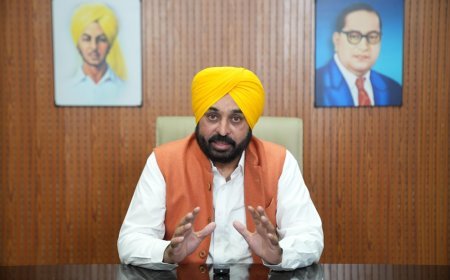
He alleged that instead of ensuring justice for the victims and expediting the prosecution of the accused, the Bhagwant Mann government has made repeated attempts to delay the judicial process. According to Prof. Khiala, the government's decision to introduce amendments to the Punjab law on sacrilege was aimed at diverting public attention from its failure to secure justice in the Bargari cases. "Even this political strategy has now backfired," he said.
Prof. Khiala further alleged that since coming to power under the leadership of AAP national convenor Arvind Kejriwal, the Punjab government has adopted an approach that has slowed down the progress of the Bargari sacrilege cases. Referring to developments in those cases, he questioned the transfer of the trial from Faridkot to Chandigarh, the delay in granting prosecution sanctions, and the Punjab government's stand before the Supreme Court on April 29, 2025, which, according to him, resulted in the trial proceedings remaining stalled. He said these developments have raised serious questions regarding the government's commitment to delivering justice.
"If the government's real priority was to prevent sacrilege, its first responsibility should have been to ensure punishment for the accused in the 2015 Bargari cases, provide justice to the victims and conclude the pending trials, rather than creating fresh religious controversy through a disputed amendment," he said.
Referring to the press conference addressed by Sri Akal Takht Jathedar Giani Kuldeep Singh Gargaj earlier in the day, Prof. Khiala said the Akal Takht's rejection of the Punjab government's revised response clearly demonstrates that the government failed to adequately address the concerns, sentiments and suggestions expressed by the highest temporal authority of the Sikh community.
He said the development represented "not merely a legal disagreement but also a significant moral and political setback" for the Bhagwant Mann government.
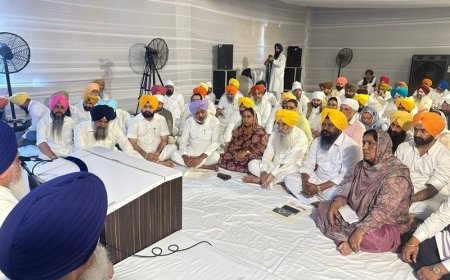
Prof. Khiala pointed out that on June 29, Sikh ministers and MLAs belonging to the ruling party had visited Sri Akal Takht Sahib and publicly expressed their commitment to amend the legislation in accordance with the sentiments conveyed by the Akal Takht.
"If the government has now retreated from that commitment, it raises serious questions about its credibility and respect for the assurances given before the Sikh community," he said.
He referred to the Jathedar's statement that the government had accepted only one of the objections raised by Sri Akal Takht while declining to incorporate the remaining key recommendations. According to Prof. Khiala, this suggests that the government preferred to impose its own position rather than pursue meaningful dialogue.
He further questioned why the government did not engage in detailed consultations with Sri Akal Takht Sahib, the Shiromani Gurdwara Parbandhak Committee (SGPC) and Sikh scholars before submitting its response. "Instead of consulting representative Sikh institutions, the government appears to have relied upon unidentified advisers. The people of Punjab deserve to know who these advisers are and why their opinion was considered more important than that of Sri Akal Takht Sahib," he said.
Prof. Khiala also asked the Punjab government to explain why it had not accepted objections relating to the provisions concerning the "custodian", the proposed unique identification system for Guru Granth Sahib saroops, the central register and other provisions which, according to Sikh institutions, concern internal religious administration.
He raised several questions before the government:
Why did the government depart from the understanding reached at Sri Akal Takht on June 29?
If dialogue remained open, why were further consultations not held before submitting the revised response?
Why has the government refused to reconsider the contentious "custodian" provisions?
Why should the State intervene in matters that Sikh institutions consider part of their internal religious management?
If speedy justice is the government's objective, why has the legislation not expressly mandated fast-track courts for sacrilege cases?
Prof. Khiala reiterated that there should be the strictest possible punishment for those convicted of desecrating Sri Guru Granth Sahib. However, he argued that any such legislation must emerge through consensus with Sikh religious institutions, constitutional experts and legal scholars, rather than through what he described as a unilateral approach by the state government.
He welcomed the decision of Sri Akal Takht Sahib to constitute a six-member committee comprising retired judges, senior legal experts and Sikh scholars to facilitate further dialogue with the Punjab government.
"The formation of this committee reflects Sri Akal Takht's willingness to pursue consensus rather than confrontation. The question now is whether the Bhagwant Mann government will engage sincerely with the committee and build consensus, or continue on a path of confrontation with Sikh institutions," Prof. Khiala said.
What's Your Reaction?
 Like
0
Like
0
 Dislike
0
Dislike
0
 Love
0
Love
0
 Funny
0
Funny
0
 Angry
0
Angry
0
 Sad
0
Sad
0
 Wow
0
Wow
0