





















MBBS fee hike a double blow to meritorious students and middle-class families: Dr Daljit Singh Cheema

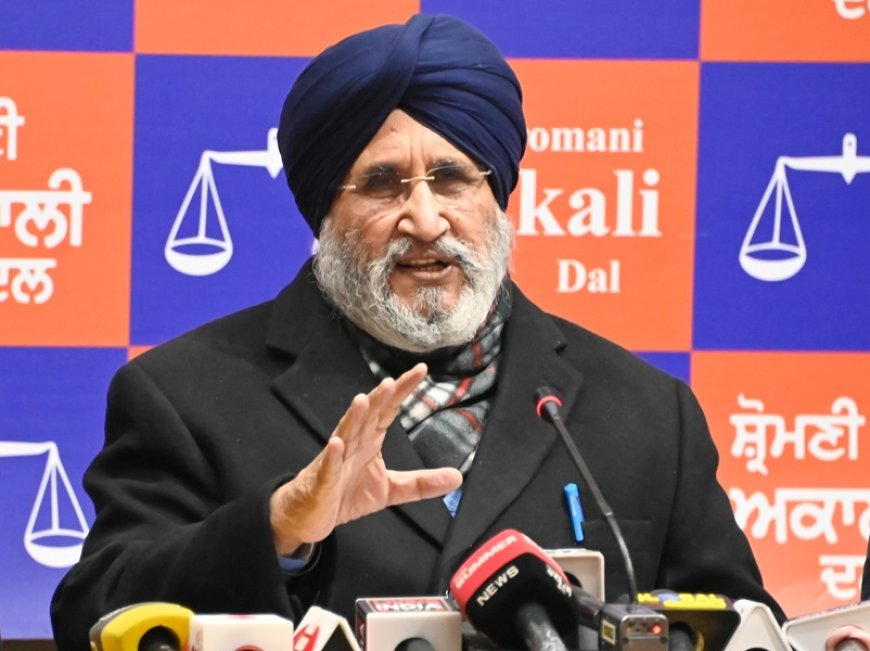
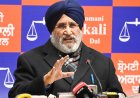
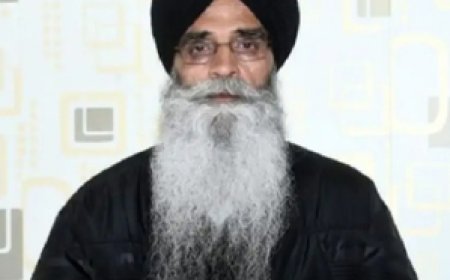
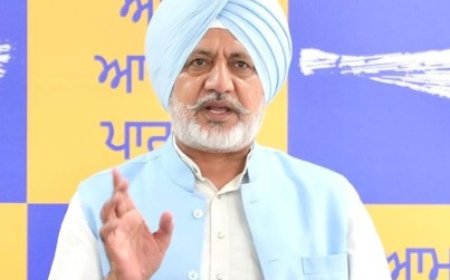
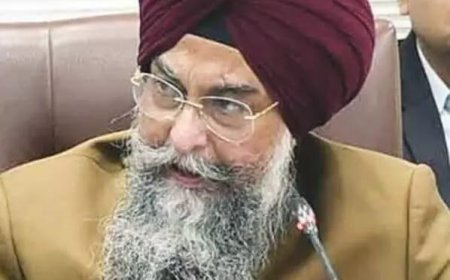
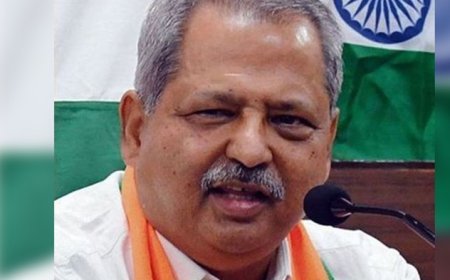
CHANDIGARH: Senior Shiromani Akali Dal leader and former Education Minister of Punjab, Dr Daljit Singh Cheema, today strongly condemned the Punjab Government’s decision to hike MBBS fees, describing it as a “double blow” to meritorious students and their parents.
Dr Cheema said that at a time when medical education was already becoming increasingly unaffordable, the Government had further burdened families by substantially increasing the fee for MBBS courses in both government and private medical colleges.
He pointed out that for the 2026-27 academic session, the total tuition fee for the 5.5-year MBBS course in government medical colleges has been increased from ₹9.98 lakh to ₹10.83 lakh, an increase of around 8.5 per cent. The increase in private medical colleges is even more steep. The fee for government-quota seats has risen from ₹21.48 lakh to ₹25.22 lakh, an increase of around 17.4 per cent, while the management-quota fee has increased from ₹55.25 lakh to ₹64.71 lakh, an increase of over 17 per cent.
Dr Cheema said the Government must realise that these were not merely numbers on a fee notification. “Behind every MBBS seat is a meritorious young student and a family that has often spent years saving and making sacrifices to fulfil the child’s dream of becoming a doctor. Such steep increases place professional medical education beyond the reach of many deserving students, particularly those belonging to middle-class and economically weaker families,” he said.
He said the Government’s policy appeared even more contradictory because, on the one hand, it was making medical education increasingly expensive, while on the other hand it had failed to provide secure, dignified and adequately remunerated career opportunities to young doctors after they completed their long and demanding medical education.
“Doctors spend years studying, undergo rigorous training and work day and night to serve patients. Yet many young doctors entering government service are being offered contractual or insecure employment with remuneration of only around ₹50,000 per month. This is grossly inadequate in relation to their qualifications, responsibilities and the years of investment made in their education,” Dr Cheema said.
He warned that such a policy could have serious long-term consequences for Punjab. “When medical education becomes prohibitively expensive and qualified doctors do not find secure and attractive employment opportunities within the State, the inevitable result is brain drain. Punjab will end up spending enormous resources on producing medical professionals only to see its brightest talent move to other States or countries in search of better opportunities,” he said.
Dr Cheema demanded that the Punjab Government immediately reconsider the fee hike, particularly for government medical colleges, and introduce meaningful financial support and scholarships for meritorious students from economically weaker and middle-class families.
He also called for a comprehensive policy for young doctors that ensures regular and secure employment, dignified salaries, transparent recruitment and clear career progression in government healthcare institutions.
“The objective of public policy should be to make quality medical education accessible to meritorious students and to retain doctors in Punjab, not to push both students and doctors towards other States and foreign countries. The Government must reverse this approach before the damage to Punjab’s medical education and healthcare system becomes irreversible,” Dr Cheema said.
What's Your Reaction?
 Like
0
Like
0
 Dislike
0
Dislike
0
 Love
0
Love
0
 Funny
0
Funny
0
 Angry
0
Angry
0
 Sad
0
Sad
0
 Wow
0
Wow
0