






































Bachhretu and Solasinghi Forts Showcase Extinct Monarchies, Moans Chief Mentor Dr PC Sharma.


Barsar (HP): Bachhretu and Solasinghi forts serve as profound historical markers of the extinct princely monarchies and complex geopolitical landscapes that once defined pre-independence Himachal Pradesh. Rather than built as grand residential palaces, these specific stone strongholds were constructed as tactical defensive sentinels by local ruling dynasties to guard territorial boundaries, repel rival clans, and command sweeping strategic vantages over the surrounding river valleys affirmed well known Heritage Expert and Chief Patron cum Chairman of WHF Dr PC Sharma.
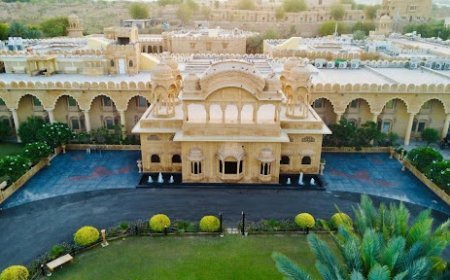
The ancient Western Himalayan forts like Bachhretu fort in Kotdhar of Bilaspur and Solasingidhar fort in Una , once a majestic structures, made up of hammer dressed stone and sand stone walls structured water bodies and now so-called ruins of royalty are currently in dilapidated conditions due to natural disasters like weathering, cloudbursts, avalanches, flash floods, forest fires, seismic activity, and more so government utmost neglect. Restoring these historical landmarks requires merging state-sponsored architectural conservation with community-led rural tourism initiatives stated Dr Sharma.
Bachhretu Fort is built in the 14th century (1355–1406). This 3,000-ft-high vantage point overlooks the serene Gobind Sagar Lake and offers sweeping views of the surrounding hills. Originally serving as a strategic military stronghold, the fort is roughly rectangular in shape, While largely in ruins today, visitors can still identify about 15 individual room compartments, some of which feature walls towering up to 10–12 meters high. The ground houses an active shrine containing the idol of Goddess Asht Bhuja.
Solasinghi Fort, located in the Kutlehar region of Una district at 1,162 meters above sea level, an ancient sentry sits in a state of severe disrepair, its defensive stone walls slowly fading away and collapsing. Significantly, Lahore can be seen from this fort with the help of telescope. As regard restoration of the water bodies and ancient structures of these Forts, it requires heritage conservation by the Archaeological Survey of India (ASI). Structural conservation measures are required to preserve the historical integrity of the centuries old sites. Best practices for restoring the ancient water bodies of the forts involve careful silt removal to increase water retention, repairing outflow channels without compromising underlying, permeable soils, and preventing seepage. The historical sites require a careful balance of archaeology and ecology. Preserving the structural integrity of the forts while revitalizing its tanks, step wells and rainwater harvesting systems provides critical climate resilience and conserves heritage. It primarily involves clearing overgrown vegetation, de-silting, and repairing the fort's stone-lined rainwater harvesting tanks to prevent further structural degradation. As the forts are mostly in ruins and sits on an isolated elevation the restoration process requires a carefully phased approach. Clearance of invasive weeds, shrubs, and root systems that are currently splitting the inner courtyard stone are required to be removed. An accumulated silt and rockfall from the now-dry wells and stone-lined tanks are to be safely removed. Wall Stabilization has to be done by re-pointing the mortar using traditional lime or clay mixes to conserve the century-old stone masonry. Sealing of the inner surfaces of the water tanks and channels has to be done by using historically accurate materials to prevent seepage explained Dr PC Sharma.
Historically, ancient forts in regions like Rajasthan and the Himalayan foothills were designed with elaborate, eco-friendly rainwater harvesting and storage systems. These architectural marvels—such as step wells (baoris), reservoirs, and tanks—served as lifelines for communities. Restoring these structures directly combats falling water tables. Protection of architectural and historical identity of local heritage sites would generate revenue and footfall for rural economies.
Dr. P.C. Sharma highlights the tragic neglect of regional historical bastions, which have devolved from symbols of royal authority into crumbling ruins. This sentiment resonates strongly with the fate of numerous strongholds in Himachal Pradesh, including the over 1,000-year-old Kangra Fort and the Nurpur Fort, which daringly defied British forces but now stand largely unattended.
Many ancient and medieval hill heritage forts across the state have been left to the ravages of time and weather. Kangra Fort as the oldest recorded fort in India dating back to the 4th century BC, has withstood sieges by Mughals and Afghans. While it remains a major tourist attraction, many of its inner royal structures and courtyards suffer from structural decay. Nurpur fort renowned for its historical defiance of the British empire, much of the palace structure has fallen into ruin, and the complex requires extensive conservation efforts to restore its former glory. Jutogh, Arki, and Sujanpur Tihra are some of the other notable forts in the region reflecting the same overarching narrative of abandonment, with creeping vegetation and deteriorating stonework hiding their rich martial legacies stated Dr PC Sharma.
The Archaeological Survey of India (ASI) oversees the protection and conservation of many of the country's most vulnerable heritage sites. Across the region, restoration efforts face on going major hurdles regarding funding, tourism management, and structural reinforcement. Archaeological Survey of India (ASI) and the State's Department of Language, Archeology, Art and Culture are mandated to maintain protected state monuments, conduct archaeological surveys, and regulate the Ancient and Historical Monuments Rules. Comprehensive structural engineering and debris clearance are required from them to prevent further collapse.
Forming localized community trusts or 'Friends of Heritage' groups could ensure daily monitoring, prevents vandalism, and encourages neighborhoods upkeep of the structures. Integrating these forts into the official tourism circuits creates a localized economic incentive for the community to protect them. Community-run homestays, guided treks, and local handicraft shops foster a symbiotic relationship between locals and heritage preservation. Youth groups and NGOs can periodically organize community "shramdaan" to clear invasive vegetation and debris, mitigating the structural damage caused by overgrown roots advised Dr PC Sharma.
What's Your Reaction?
 Like
0
Like
0
 Dislike
0
Dislike
0
 Love
0
Love
0
 Funny
0
Funny
0
 Angry
0
Angry
0
 Sad
0
Sad
0
 Wow
0
Wow
0