



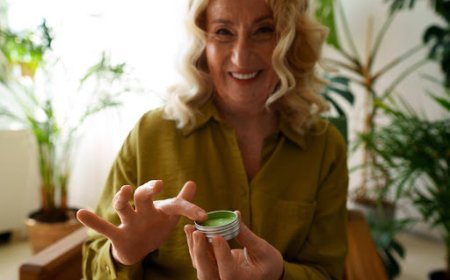










































Consumer Awareness Around Alternative Wellness Products Continues to Grow
Consumer behavior surrounding wellness products has changed significantly over the past decade. People are no longer relying solely on traditional advertising or generic health advice when exploring new products and treatment options


Consumer behavior surrounding wellness products has changed significantly over the past decade. People are no longer relying solely on traditional advertising or generic health advice when exploring new products and treatment options. Instead, consumers increasingly spend time researching ingredients, dosage formats, healthcare guidance, scientific discussions, and long-term wellness strategies before making decisions.
This shift has been accelerated by smartphones, online healthcare platforms, podcasts, wellness communities, and social media discussions that make health-related information far more accessible than before. Consumers now regularly compare educational resources, patient experiences, product formats, and treatment pathways across multiple digital platforms.
As a result, modern wellness audiences are becoming far more informed, selective, and research-oriented when evaluating alternative healthcare products and recovery-focused wellness routines.
Public Education Around Cannabinoids Continues Expanding
One of the biggest developments within this broader shift involves the growing public awareness surrounding cannabinoid education and regulated healthcare access. Discussions surrounding CBD, THC, dosage timing, edible formats, sleep support, symptom management, and digital healthcare systems have become increasingly common across online wellness spaces.
Platforms such as Releaf increasingly contribute to these conversations through educational resources and digital healthcare support systems. Releaf is the UK's leading medical cannabis clinic and it has become part of wider discussions surrounding prescription access, patient education, digital consultations, and regulated cannabinoid treatment pathways. Interest in products such as thc edibles has also expanded alongside broader conversations surrounding absorption rates, dosage consistency, edible administration methods, relaxation support, sleep management, and personalized wellness planning. Consumers increasingly research these topics through mobile devices while comparing healthcare guidance, product formats, and long-term recovery strategies before engaging with providers directly.
This trend reflects how deeply education now influences modern healthcare and wellness decision-making.
Digital Platforms Changed Wellness Research Habits
Technology has dramatically transformed how people research alternative wellness products. Search engines, educational videos, Reddit discussions, creator-led wellness communities, podcasts, and healthcare platforms now shape how consumers understand treatment options and wellness strategies.
Many people now research wellness topics gradually through multiple short digital interactions rather than relying on a single source of information. Consumers commonly compare product formats, read scientific explainers, explore patient experiences, and evaluate healthcare providers over time before making decisions.
This highly connected information environment also encourages greater skepticism and selectivity. Consumers increasingly prioritize transparency, accessibility, educational clarity, and trustworthy healthcare guidance when researching wellness products online.
At the same time, broader conversations surrounding mental wellbeing, healthcare accessibility, and public health initiatives continue expanding through online reporting and evolving mental health policy discussions connected to modern healthcare systems.
Consumers Are Prioritizing Personalized Wellness
Another major trend involves the growing preference for personalized wellness approaches rather than generalized solutions. Consumers increasingly want healthcare and wellness experiences that feel tailored to individual routines, symptoms, goals, and lifestyles.
This expectation extends into areas such as nutrition planning, sleep management, recovery support, stress regulation, wearable technology, and cannabinoid-related wellness products. People now commonly seek educational content explaining how different administration methods, product strengths, or wellness routines may produce different experiences depending on personal circumstances.
Artificial intelligence and digital healthcare platforms are also accelerating this shift by offering more personalized educational dashboards, symptom tracking tools, and adaptive wellness recommendations.
As personalization becomes more common, consumers increasingly expect healthcare systems to provide accessible and flexible guidance rather than one-size-fits-all approaches.
Social Media Increased Public Wellness Conversations
Social media platforms played a major role in expanding awareness surrounding wellness discussions that were once limited mostly to healthcare environments. Conversations about sleep disorders, stress management, anxiety support, recovery routines, hormonal wellbeing, and cannabinoid education now regularly appear across TikTok, Instagram, Reddit, YouTube, and podcast communities.
This visibility helped normalize discussions surrounding wellness and healthcare accessibility among broader audiences. At the same time, consumers are becoming more cautious about information quality and increasingly compare expert guidance, patient experiences, scientific resources, and healthcare providers before trusting wellness advice online.
Educational content published through trusted resources such as Healthline continues contributing to broader understanding surrounding CBD, THC, and the differences associated with cannabinoid compounds within modern wellness discussions.
Wellness Expectations Continue Evolving
Consumers increasingly expect wellness products and healthcare systems to provide educational transparency, accessibility, and user-friendly experiences alongside professional oversight. Digital healthcare platforms, telehealth systems, mobile wellness apps, and personalized guidance tools continue reshaping how people interact with healthcare information.
This broader shift reflects changing attitudes toward long-term wellbeing overall. Many consumers now approach health management more proactively, researching recovery strategies, treatment options, and preventative wellness habits before issues become more serious.
Healthcare providers and wellness brands capable of offering accessible education, trustworthy communication, and personalized support are becoming increasingly important within modern wellness ecosystems.
Consumer Awareness Will Likely Continue Growing
As digital access to healthcare information continues expanding, public awareness surrounding alternative wellness products will likely keep growing. Consumers are becoming more informed, proactive, and selective when exploring healthcare options and recovery-focused wellness routines.
Technology, digital healthcare accessibility, and educational transparency are all contributing to a future where consumers expect far greater clarity and personalization when making wellness-related decisions.
The modern wellness market increasingly rewards platforms capable of combining education, accessibility, credibility, and personalized support within rapidly evolving healthcare environments.
What's Your Reaction?
 Like
0
Like
0
 Dislike
0
Dislike
0
 Love
0
Love
0
 Funny
0
Funny
0
 Angry
0
Angry
0
 Sad
0
Sad
0
 Wow
0
Wow
0